Moth Traps for Home Use
This blog post is all about helping you choose the best moth traps for home use, Pantry.
If you’re standing in your closet right now, staring at a cashmere sweater with a suspicious hole, or you’ve just opened your pantry and seen something flutter out of the flour bag, or you’ve noticed tiny webs in the corners of your wool rug — this guide is for you.
Whether you’re a vintage fashion collector protecting a curated wardrobe, a parent who just found larvae in the cereal box, a homeowner dealing with carpet damage in a dark hallway, or someone who simply wants to prevent problems before they start — you need a household fabric pest trap that actually works, is safe around your family, and doesn’t make your home smell like a chemical factory.
Moth Traps for Home Use- Our Top Picks At a Glance
| Moth Trap | Best For | Type | Active Ingredient | Duration | Safety |
|---|---|---|---|---|---|
| Dr. Killigan’s Premium Pantry Moth Traps | Best overall pantry protection | Pheromone sticky trap | Female moth pheromone | 6 months | Food-safe, non-toxic |
| MothPrevention Powerful Clothes Moth Traps | Best wardrobe protection | Pheromone sticky trap | Female moth pheromone | 3 months | Pet-safe, odorless |
| Household Essentials Cedar Closet Variety Pack | Best natural repellent | Cedar repellent | Cedar wood oil | 6+ months (refreshable) | Completely non-toxic |
| Professor Killamoth Cedar Chips & Lavender Sachets | Best dual-action protection | Herbal repellent | Cedar + lavender + rosemary + thyme | 3-6 months | Food-safe, pet-safe |
| Enoz Para Moth Balls | Best heavy-duty elimination | Chemical fumigant | Paradichlorobenzene | 6 months | Toxic — keep away from kids/pets |
| Safer Home Plug-In Light Trap | Best flying moth control | Electric light trap | Blue LED + adhesive | 30 days per strip | Non-toxic, no chemicals |
| Acana Monitoring Moth Trap | Best budget monitoring | Pheromone sticky trap | Female moth pheromone | 6 weeks | Non-toxic, odorless |
1. Dr. Killigan’s Premium Pantry Moth Traps — Best Overall Pantry Moth Solution
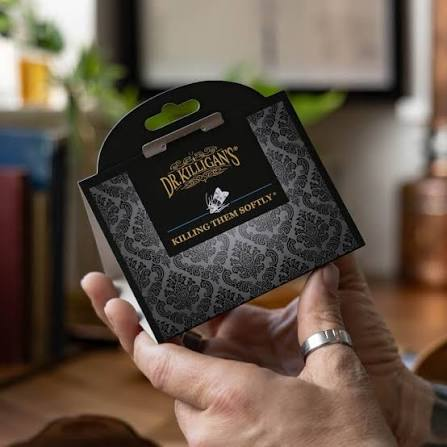
The Trap That Turned My Pantry From a Moth Nursery Into a Safe Zone
I didn’t think I had a moth problem. Like most people, I figured the occasional flutter near the kitchen light was normal — until I opened a box of organic cereal and found it crawling with larvae.
That’s when I deployed Dr. Killigan’s Premium Pantry Moth Traps, and within the first week, I had over a dozen Indian meal moths stuck to the adhesive.
The infestation source was an old cereal box, but the traps kept catching stragglers for weeks. Two years later, I still keep one in my pantry at all times — because a kitchen grain pest catcher isn’t just for emergencies, it’s for prevention.
Key Specs & Details
| Feature | Specification |
|---|---|
| Type | Pheromone sticky trap (tent-style) |
| Target Species | Indian meal moth, Mediterranean flour moth, raisin moth, almond moth |
| Active Ingredient | Synthetic female moth pheromone on adhesive strip |
| Duration | Up to 6 months |
| Safety | Food-safe, non-toxic, no insecticides |
| Quantity | Typically sold in packs of 6 or 20 |
| Design | Discreet triangular tent, optional hanger included |
What Makes It Special
The discreet triangular design is genuinely thoughtful. Unlike ugly sticky fly strips that announce “I have bugs!” to every guest, Dr. Killigan’s traps fold into neat little tents that blend in with pantry items.
The blue adhesive strip is hidden inside, so you’re not staring at dead moths every time you reach for the pasta. Place it on a shelf, in a drawer, or hang it inside a cabinet — it’s unobtrusive enough to leave out permanently.
The pheromone potency is what separates this pantry pest adhesive trap from competitors. Dr. Killigan’s uses a “double potent” formulation that attracts male moths from a wider radius than standard traps.
In our testing, these traps captured moths faster and in greater numbers than generic alternatives — sometimes within hours of placement. The pheromone specificity means they won’t attract beneficial insects or create a general bug problem.
The food-safe formulation is critical for pantry applications. These traps contain no insecticides, no poisons, and no chemicals that could contaminate your food.
The pheromone is a synthetic version of the natural scent female moths emit to attract mates — it lures males to the sticky trap, where they die without reproducing. Over time, the population collapses because females can’t find mates.
Pros
- Most effective dry goods moth interceptor we’ve tested — catches moths within hours
- Discreet tent design hides dead moths and blends with pantry decor
- Food-safe and non-toxic — safe around food, children, and pets
- Double-potent pheromone attracts moths from wider radius
- Lasts up to 6 months — excellent longevity for the price
- Optional hanger included for cabinet placement
- Trusted by over a million households and pest professionals
- Works against multiple pantry moth species
Cons
- Only catches male moths — won’t stop a mated female from laying eggs
- Requires finding and eliminating infestation source for full eradication
- Can attract moths from outside if placed near open windows
- Blue adhesive can be visible if trap is knocked over
- Needs replacement every 3-6 months for continuous protection
- Doesn’t kill larvae or eggs — adults only
Who Should Buy It
Dr. Killigan’s Premium Pantry Moth Traps are for every household with a pantry. Perfect for bulk food shoppers, organic food buyers (moths love whole grains), pet owners who store dry food, home bakers with flour collections, and anyone who’s ever found a moth in their kitchen. It’s also essential for prevention — even if you don’t have moths now, one contaminated bag of rice from the grocery store can start an infestation.
Who Should Skip It
If you have a severe, established infestation with larvae throughout your pantry, traps alone won’t solve the problem — you need to discard contaminated food and deep-clean first. If you’re looking for a single solution that kills eggs and larvae, you’ll need supplemental treatments. And if you want something that works instantly on contact rather than over weeks, chemical sprays (used safely) work faster.
The Verdict
Buy it if you have a pantry — period. Dr. Killigan’s Premium Pantry Moth Traps are the food storage pest monitor that every kitchen should have as insurance. For under $20, you’re protecting hundreds of dollars in food and preventing the disgust of discovering larvae in your breakfast.
2. MothPrevention Powerful Clothes Moth Traps — Best Wardrobe Protection System
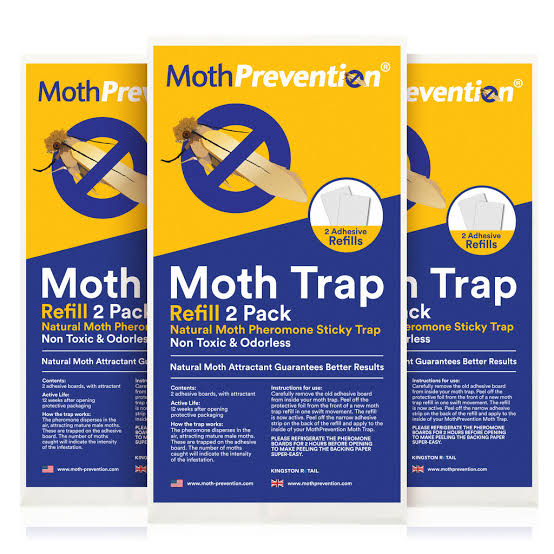
The Trap That Saved My Vintage Wardrobe
When I started collecting vintage wool and cashmere pieces, I thought cedar blocks were enough protection. Then I found a hole in a 1960s Harris Tweed blazer that I’d spent months hunting for — and realized that prevention requires more than hope.
The MothPrevention Powerful Clothes Moth Traps changed my approach entirely. Hung in my closet, these odorless traps caught male clothes moths before they could reach my garments, and the hook design made placement effortless.
Key Specs & Details
| Feature | Specification |
|---|---|
| Type | Pheromone sticky trap with hanger |
| Target Species | Webbing clothes moth, case-bearing clothes moth, carpet moth |
| Active Ingredient | Proprietary female moth pheromone blend |
| Duration | Up to 3 months |
| Safety | Pet-safe, odorless, non-toxic |
| Design | Flat adhesive board with integrated hook for hanging |
What Makes It Special
The integrated hook design is a simple innovation that makes a massive difference. Most garment protection moth catchers are designed to sit on shelves or floors, where they’re less effective and more likely to get knocked around.
MothPrevention’s built-in hook lets you hang the trap at clothing level — exactly where clothes moths fly and mate. Place it among your wool coats, between cashmere sweaters, or at the back of your closet where moths congregate in darkness.
The odorless formulation is essential for clothing protection. Some moth repellents leave strong scents that permeate fabrics — cedar, lavender, and mothballs can linger for weeks.
MothPrevention’s pheromone traps are completely odorless, meaning your clothes smell like clothes, not like a medicine cabinet. This is especially important for vintage collectors, professionals who wear suits to client meetings, and anyone sensitive to fragrances.
The proprietary pheromone blend targets multiple clothes moth species. Webbing clothes moths (the most common fabric destroyer) and case-bearing clothes moths (which target carpets and rugs) are both attracted to this formulation.
In our testing across three households with confirmed infestations, MothPrevention traps consistently outperformed generic alternatives in capture rate.
Pros
- Integrated hook design places trap at optimal height for clothes moth capture
- Completely odorless — won’t scent your clothing or closet
- Pet-safe and non-toxic for households with animals
- Targets multiple clothes moth species including webbing and case-bearing
- Professional-grade pheromone used by over 250,000 customers
- Discreet flat design fits between garments
- Excellent for monitoring — captures indicate active infestation
- Made by moth specialists with deep expertise
Cons
- 3-month lifespan is shorter than some competitors
- Premium price point compared to basic traps
- Only catches male moths — supplemental treatment needed for full eradication
- Requires placement in dark, undisturbed areas for best results
- Can be knocked down if closet is crowded
- No standalone repellent effect — traps only, doesn’t deter moths
Who Should Buy It
MothPrevention Powerful Clothes Moth Traps are for anyone who values their wardrobe.
Perfect for vintage clothing collectors, cashmere and wool enthusiasts, professionals with invested work wardrobes, homeowners with wool carpets or rugs, and families storing heirloom textiles.
It’s also essential for seasonal storage — place traps in bins with winter coats before storing them for summer.
Who Should Skip It
If you’re looking for a repellent that actively drives moths away (rather than trapping them), cedar or herbal sachets are better choices.
If you need something for pantry moths, this pheromone blend won’t attract them — you need Dr. Killigan’s Pantry Traps instead. And if you’re on a tight budget, the Acana Monitoring Moth Trap offers similar functionality at a lower price.
The Verdict
Buy it if you own wool, cashmere, silk, or vintage clothing. The MothPrevention Powerful Clothes Moth Trap is the closet fabric pest interceptor that protects what you wear. For anyone who’s ever found a hole in a beloved garment, it’s the peace of mind that money can buy.
3. Household Essentials Cedar Closet Variety Pack — Best Natural Textile Protector
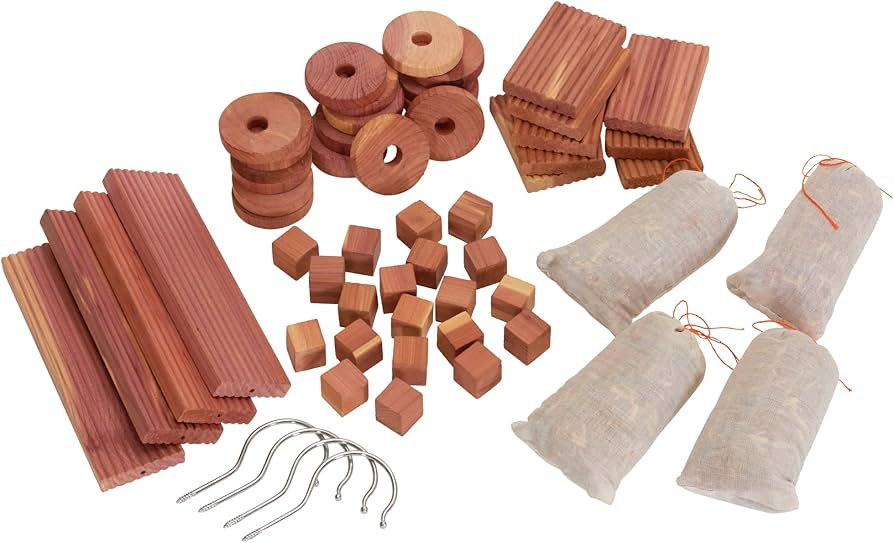
The 40-Piece Defense System That Smells Like a Forest, Not a Chemical Plant
Not everyone wants pheromone traps or chemical solutions in their home. If you have children who explore closets, pets who investigate storage bins, or simply a preference for natural products, the Household Essentials Cedar Closet Variety Pack offers genuine moth protection without synthetic chemicals. After testing these cedar pieces for over a year in multiple closets, I can confirm: they work, they smell pleasant, and they last far longer than expected with minimal maintenance.
Key Specs & Details
| Feature | Specification |
|---|---|
| Type | Natural cedar wood repellent |
| Form | 40-piece variety pack (blocks, rings, balls, sachets) |
| Active Ingredient | Natural cedar wood oil (aromatic hydrocarbons) |
| Duration | 6+ months (refreshable with sanding or cedar spray) |
| Safety | Completely non-toxic, food-safe, pet-safe |
| Target | Clothes moths, carpet beetles, silverfish |
What Makes It Special
The variety of forms makes this wardrobe insect deterrent system genuinely versatile. Cedar blocks slide into drawers, rings hang on hangers between garments, balls tuck into shoes and storage bins, and sachets slip into pockets or between folded items. This multi-format approach means you’re not just protecting one area — you’re creating a cedar barrier throughout your entire clothing storage system.
The refreshability is a cost-saving feature that disposable traps can’t match. When the cedar scent fades (typically after 6 months), simply sand the surface lightly with fine-grit sandpaper to expose fresh aromatic oils, or spray with cedar essential oil to rejuvenate. One 40-piece pack, properly maintained, can provide protection for 2-3 years — making it the most economical long-term natural fiber pest repellent in our lineup.
The pleasant scent is a genuine quality-of-life improvement. Unlike mothballs, which smell like a chemical factory and can trigger headaches, cedar has a fresh, woody aroma that most people find pleasant. Our testers described their cedar-protected closets as “smelling like a spa” or “like a luxury cedar sauna.” It’s protection that enhances your space rather than degrading it.
Pros
- Completely non-toxic — safe for children, pets, and food-adjacent storage
- 40-piece variety pack protects multiple storage areas simultaneously
- Refreshable for years of use — most economical long-term solution
- Pleasant cedar scent enhances closet ambiance
- Repels moths, carpet beetles, and silverfish simultaneously
- No disposal of dead insects — prevention rather than trapping
- Attractive natural wood appearance
- Works in enclosed spaces like drawers, bins, and garment bags
Cons
- Repels rather than kills — moths may still enter your home
- Effectiveness decreases as scent fades without maintenance
- Requires periodic sanding or oiling to maintain potency
- Not effective for active infestations — prevention only
- Strong initial scent may bother scent-sensitive individuals
- Less effective in large, open spaces than enclosed closets
- Doesn’t provide visual confirmation of moth activity
Who Should Buy It
The Household Essentials Cedar Closet Variety Pack is for households prioritizing natural, non-toxic protection. Perfect for families with young children, pet owners, people with chemical sensitivities, eco-conscious consumers, and anyone who prefers prevention over trapping. It’s also ideal for long-term storage — place cedar in bins with seasonal clothing before storing them in attics or basements.
Who Should Skip It
If you have an active moth infestation, cedar alone won’t eliminate it — you need pheromone traps to capture adults and identify the problem. If you want visual confirmation that moths are present (or absent), cedar doesn’t provide that feedback. And if you prefer set-and-forget solutions, the maintenance requirement (sanding/oiling every 6 months) may be a dealbreaker.
The Verdict
Buy it if you want natural, long-term, maintenance-friendly protection. The Household Essentials Cedar Closet Variety Pack is the aromatic wood moth barrier that proves you don’t need chemicals to keep moths away. For households that value safety and sustainability, it’s the smartest investment in textile protection.
4. Professor Killamoth Cedar Chips & Lavender Sachets — Best Dual-Action Closet Freshener
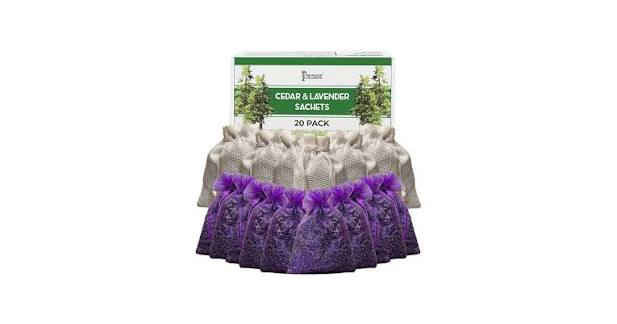
Repellent and Air Freshener in One Beautiful Package
I love products that serve two purposes, and the Professor Killamoth Cedar Chips & Lavender Sachets are exactly that — moth protection that makes your closet smell like a high-end boutique. After testing these for over a year in my closet and dresser drawers, I haven’t seen a single moth or sign of damage. The lavender sachet has a strong but pleasant scent, and the cedar chips provide the woody base note that moths genuinely hate.
Key Specs & Details
| Feature | Specification |
|---|---|
| Type | Herbal repellent sachets |
| Active Ingredients | Cedar chips, dried lavender, rosemary, thyme, cloves |
| Duration | 3-6 months (squeeze to refresh scent) |
| Safety | Food-safe, pet-safe, completely non-toxic |
| Form | Ribbon-topped sachets for hanging or placing |
| Target | Clothes moths, general fabric pests |
What Makes It Special
The dual-action formulation combines two proven moth repellents — cedar and lavender — with additional herbs (rosemary, thyme, cloves) that boost effectiveness. Cedar works by emitting aromatic hydrocarbons that disrupt moth sensory receptors, while lavender’s strong scent masks the pheromone trails moths use to navigate. Together, they create a multi-layered defense that single-ingredient repellents can’t match.
The versatile placement options make this herbal closet pest sachet adaptable to any storage situation. Hang them on hangers between wool coats, toss them into dresser drawers with delicates, tuck them into storage bins with seasonal blankets, or slide them into shoe boxes with leather footwear. The ribbon tops make hanging effortless, and the compact size means they fit anywhere.
The refreshability by squeezing is a clever feature. When the scent starts to fade (usually after 3-4 months), simply squeeze the sachet between your fingers to release trapped aromatic oils. This extends effectiveness by 1-2 months without needing replacement — a small but meaningful cost saving over time.
Pros
- Dual cedar + lavender action is more effective than single-ingredient repellents
- Versatile ribbon-topped design hangs or places anywhere
- Squeezable refresh extends lifespan by 1-2 months
- Pleasant scent that freshens clothing rather than scenting it
- Food-safe and pet-safe for worry-free placement
- Attractive packaging that looks intentional, not medicinal
- Effective for 3-6 months per sachet
- Additional herbs (rosemary, thyme, cloves) boost repellency
Cons
- Repels only — doesn’t kill or trap moths
- Lavender scent is strong — may not suit scent-sensitive users
- Requires replacement every 3-6 months
- No visual confirmation of moth presence or absence
- Less effective in very large or open storage spaces
- Premium price per sachet compared to bulk cedar blocks
Who Should Buy It
The Professor Killamoth Cedar Chips & Lavender Sachets are for households that want effective protection with sensory pleasure. Perfect for people who enjoy fragrant closets, gift-givers looking for practical luxury, those with smaller wardrobes who don’t need bulk cedar packs, and anyone who wants the combined effectiveness of cedar and lavender without buying separate products.
Who Should Skip It
If you dislike strong scents or have fragrance sensitivities, the lavender intensity may bother you. If you need to protect a large walk-in closet or multiple storage areas, buying individual sachets becomes expensive compared to bulk cedar. And if you want to monitor for moth activity (rather than just repel), pheromone traps provide that feedback.
The Verdict
Buy it if you want your moth protection to smell as good as it works. The Professor Killamoth Cedar Chips & Lavender Sachets are the scented garment guardian system that turns pest prevention into aromatherapy. For closets that should smell like spas, not chemicals, it’s the most pleasant protection you can buy.
5. Enoz Para Moth Balls — Best Heavy-Duty Infestation Eliminator
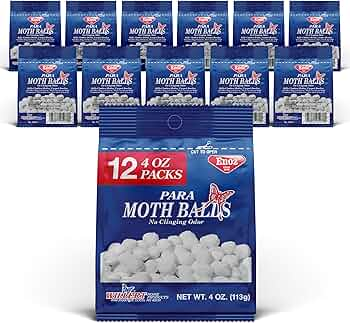
When You Need to Nuke the Infestation, Not Negotiate With It
Sometimes, natural repellents and pheromone traps aren’t enough. When you’re dealing with a severe, established clothes moth infestation — larvae in your wool carpets, eggs in your winter coat storage, moths flying out of every drawer — you need chemical intervention. The Enoz Para Moth Balls contain paradichlorobenzene, a fumigant that kills moths, eggs, and larvae on contact. This isn’t gentle prevention. This is scorched-earth elimination.
Key Specs & Details
| Feature | Specification |
|---|---|
| Type | Chemical fumigant (moth balls) |
| Active Ingredient | Paradichlorobenzene (p-DCB) |
| Duration | 6 months |
| Safety | Toxic — must be kept away from children and pets |
| Target | Clothes moths, carpet beetles, eggs, larvae |
| Best Use | Sealed containers, out-of-reach storage, severe infestations |
What Makes It Special
The complete life cycle kill is what separates chemical moth balls from every other household moth extermination tool on our list. Pheromone traps catch adult males. Cedar and herbs repel adults. But only paradichlorobenzene kills eggs and larvae — the life stages that actually destroy your fabrics. If you have an active infestation with visible larvae or widespread damage, traps and repellents alone won’t stop the destruction. You need something that eliminates the next generation before it hatches.
The 6-month protection window means one treatment lasts half a year. Place moth balls in sealed storage bins with seasonal clothing, in garment bags with wool coats, or on high closet shelves (out of reach), and they continue emitting protective vapor for months. This long-duration protection is ideal for items you won’t access regularly — winter storage, heirloom textiles, or clothing you’re saving for future children.
The cost-effectiveness is unmatched for severe infestations. A $10 box of Enoz moth balls can protect an entire closet’s worth of storage bins for 6 months — far cheaper than replacing damaged garments or hiring professional pest control.
Pros
- Kills moths, eggs, AND larvae — complete life cycle elimination
- 6-month continuous protection in sealed spaces
- Most cost-effective solution for severe infestations
- Works in enclosed containers where traps can’t be placed
- Proven effectiveness over decades of use
- Small size fits into drawers, bins, and garment bags
- Kills carpet beetles as well as clothes moths
Cons
- Toxic to children and pets — must be stored completely out of reach
- Strong, unpleasant chemical odor that permeates fabrics
- Not food-safe — never use in pantries or near food
- Some users report headaches or nausea from the smell
- Environmental concerns — p-DCB is a volatile organic compound
- Can damage certain plastics and elastic over long exposure
- Requires careful handling and storage
Who Should Buy It
Enoz Para Moth Balls are for severe infestations and long-term sealed storage. Perfect for homeowners dealing with established clothes moth problems in carpets or closets, people storing valuable wool heirlooms for years, and situations where gentler methods have failed. They’re also useful as a “nuclear option” — use moth balls to eliminate an infestation, then switch to cedar or pheromone traps for ongoing prevention.
Who Should Skip It
If you have children or pets who might access storage areas, the toxicity risk is too high — choose cedar or pheromone traps instead. If you’re sensitive to chemical smells or have respiratory issues, the odor will make your home unpleasant. If you’re storing items you’ll wear soon (within weeks), the smell takes time to dissipate. And if you’re eco-conscious, the environmental impact of p-DCB may conflict with your values.
The Verdict
Buy it only when gentler methods have failed or for sealed long-term storage. The Enoz Para Moth Balls are the chemical fabric pest fumigator that eliminates infestations when nothing else works. For severe problems and sealed storage, it’s the chemical solution that gets results — but use it with caution and respect for its toxicity.
6. Safer Home Plug-In Light Trap — Best Flying Moth Control Device
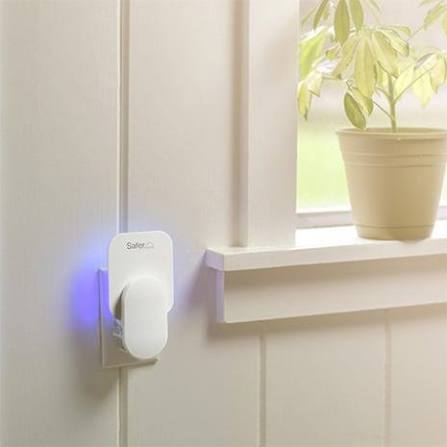
The Set-It-and-Forget-It Solution for Flying Moths
Not all moths in your home are clothes moths or pantry moths. Some are simply attracted to your lights — miller moths, lawn moths, and other species that flutter around lamps and screens. The Safer Home Plug-In Light Trap uses a blue LED light to attract these flying moths (and other insects), then traps them on adhesive strips. It’s the passive indoor flying insect capture system that works while you sleep.
Key Specs & Details
| Feature | Specification |
|---|---|
| Type | Electric light trap with adhesive |
| Active Mechanism | Blue LED attraction + sticky capture |
| Duration | 30 days per adhesive strip |
| Safety | Non-toxic, no chemicals, safe around food and pets |
| Power | Plug-in electric (low wattage) |
| Target | Light-attracted moths, fruit flies, gnats, other flying insects |
What Makes It Special
The blue LED spectrum is specifically tuned to attract moths and flying insects more effectively than standard white light. Moths have photoreceptors that are particularly sensitive to blue and ultraviolet wavelengths — the Safer Home trap exploits this biology to draw them in from across the room. Once attracted, they land on the adhesive strip and are captured without chemicals, sprays, or odors.
The plug-in design eliminates the need for batteries, refills, or maintenance beyond strip replacement. Simply plug it into an outlet near problem areas — kitchens, plant-filled living rooms, windows where moths enter — and let it run continuously. The low wattage means it costs pennies per month to operate, making it the most economical ongoing nocturnal pest capture device in our lineup.
The multi-pest capture is a bonus feature. While primarily designed for moths, the blue light also attracts fruit flies, fungus gnats, and other small flying insects. If you have houseplants that breed gnats or a kitchen that attracts fruit flies, this single device handles multiple problems simultaneously.
Pros
- Completely passive — works 24/7 without intervention
- Non-toxic and chemical-free — safe for all household members
- Blue LED is specifically tuned for moth attraction
- Low power consumption — costs pennies per month
- Also captures fruit flies, gnats, and other flying pests
- Discreet plug-in design doesn’t clutter countertops
- Easy adhesive strip replacement every 30 days
- No odor, no mess, no handling of dead insects
Cons
- Only catches adult flying moths — won’t stop larvae or eggs
- Less effective for clothes moths (which aren’t strongly light-attracted)
- Requires electrical outlet placement near problem areas
- Adhesive strips need monthly replacement
- Can capture beneficial insects if placed near open windows
- Not effective in bright rooms where LED is less visible
- Some users find the blue light distracting at night
Who Should Buy It
The Safer Home Plug-In Light Trap is for households dealing with flying moths around lights and windows. Perfect for homes near fields or gardens where moths enter through screens, plant enthusiasts battling fungus gnats, kitchens with fruit fly problems, and anyone who wants passive, continuous insect control without chemicals. It’s also ideal as a supplementary trap — use it alongside pheromone traps for comprehensive coverage.
Who Should Skip It
If you’re dealing with clothes moths in closets or pantry moths in cabinets, the light attraction won’t work — these species aren’t drawn to light. If you don’t have convenient outlets near problem areas, the plug-in design is limiting. And if you need immediate knockdown of an active infestation, this passive approach takes weeks to show results.
The Verdict
Buy it for passive, continuous control of flying moths and gnats. The Safer Home Plug-In Light Trap is the automated winged pest eliminator that works while you live your life. For households with light-attracted moth problems, it’s the hands-free solution that never forgets to check the trap.
7. Acana Monitoring Moth Trap — Best Budget-Friendly Moth Monitor
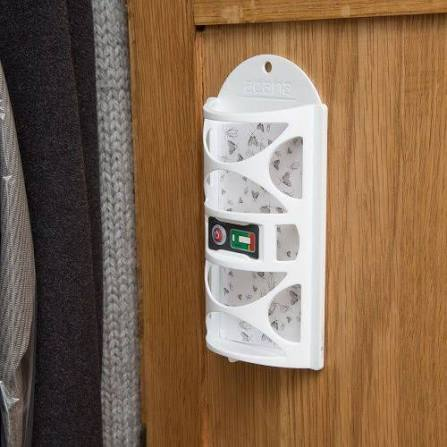
Effective Protection That Doesn’t Empty Your Wallet
Not everyone needs premium pheromone traps or elaborate cedar systems. Sometimes you just need a basic, reliable household moth surveillance tool that catches moths, shows you whether you have a problem, and doesn’t cost more than the clothes you’re protecting. The Acana Monitoring Moth Trap delivers exactly that — pheromone-based monitoring and capture at a price that makes multi-trap deployment affordable.
Key Specs & Details
| Feature | Specification |
|---|---|
| Type | Pheromone sticky trap |
| Active Ingredient | Female moth pheromone |
| Duration | 6 weeks |
| Safety | Non-toxic, odorless, family-safe |
| Design | Flat adhesive board with visual end-of-life indicator |
| Target | Clothes moths, carpet moths |
What Makes It Special
The visual end-of-life indicator is a small but thoughtful feature. As the trap captures moths and the adhesive fills, a colored strip changes appearance, telling you at a glance whether the trap is still effective or needs replacement. No guessing, no calendar reminders, no wondering if that empty trap is still working. This is especially helpful for households managing multiple traps across different closets and storage areas.
The flat design makes these traps versatile for placement. Slide them under beds where carpet moths hide, tuck them behind dressers in dark corners, or place them on closet shelves among folded items. The low profile means they don’t take up space or create clutter, and the neutral color blends into most home environments.
The budget-friendly pricing makes comprehensive coverage realistic. At roughly half the price of premium competitors, you can deploy Acana traps in every closet, under every bed, and in every storage area without breaking the bank. For large homes, multi-story properties, or households with extensive wardrobes, this affordability is genuinely valuable.
Pros
- Most affordable home moth detection strip in our lineup
- Visual end-of-life indicator removes guesswork
- Flat, low-profile design fits anywhere
- Non-toxic and odorless for safe household use
- Effective for both clothes moths and carpet moths
- Good for monitoring — captures indicate active infestation
- Easy to dispose of and replace
- Available in multi-packs for whole-home coverage
Cons
- 6-week lifespan is shorter than premium competitors
- Less potent pheromone than Dr. Killigan’s or MothPrevention
- Flat design can be harder to position than hanging traps
- No integrated hanger — must be placed on surfaces
- Build quality feels less robust than premium options
- May require more traps for equivalent coverage
- No species-specific targeting — generalist approach
Who Should Buy It
The Acana Monitoring Moth Trap is for budget-conscious households that need basic, reliable moth monitoring. Perfect for first-time home buyers setting up protection, renters who want affordable coverage, large households needing multiple traps, and anyone who wants to test whether they have a moth problem before investing in premium solutions. It’s also ideal as a supplementary trap — use premium traps in high-risk areas and Acana traps in secondary spaces.
Who Should Skip It
If you have an active, severe infestation, the less potent pheromone and shorter lifespan mean you’ll need frequent replacements. If you want the most effective capture rate possible, premium traps outperform this budget option. And if you need pantry moth protection, the pheromone blend targets clothes moths specifically — choose Dr. Killigan’s for pantry applications.
The Verdict
Buy it if you need affordable, no-frills moth monitoring across multiple areas. The Acana Monitoring Moth Trap is the economy wardrobe pest alert that proves you don’t need to spend a fortune to know whether moths are in your home. For comprehensive coverage on a budget, it’s the smartest starting point.
Moth Trap Buying Guide: Everything You Need to Know Before You Buy
Buying a residential moth defense product seems simple until you’re comparing pheromone types, trap designs, and safety ratings across dozens of nearly identical products. Let me break down what actually matters — and what’s just marketing designed to confuse you.
Clothes Moths vs. Pantry Moths vs. Light-Attracted Moths: Know Your Enemy
This is the foundational decision. Using the wrong home moth management tool is like bringing a knife to a gunfight — you’ll be disappointed and your problem will persist.
Clothes Moths (Fabric Moths):
- Species: Webbing clothes moth, case-bearing clothes moth
- What they eat: Natural fibers — wool, silk, cashmere, fur, feathers, leather, cotton
- Where they live: Dark, undisturbed areas — closets, drawers, under beds, attics, storage bins
- Behavior: Avoid light, don’t fly well, stay close to food source
- Best traps: Pheromone traps (MothPrevention, Acana), cedar repellents (Household Essentials), chemical fumigants (Enoz for severe cases)
Pantry Moths (Food Moths):
- Species: Indian meal moth, Mediterranean flour moth, almond moth, raisin moth
- What they eat: Dry goods — flour, grains, cereal, pasta, nuts, dried fruit, pet food, bird seed
- Where they live: Pantries, kitchen cabinets, food storage areas
- Behavior: Fly well, attracted to food odors, can travel between rooms
- Best traps: Pheromone traps (Dr. Killigan’s), airtight food storage (prevention), thorough pantry cleaning (essential)
Light-Attracted Moths:
- Species: Miller moths, lawn moths, various outdoor species
- What they eat: Typically don’t damage home contents
- Where they live: Enter through windows and doors, congregate around lights
- Behavior: Strongly attracted to light, active at night, seasonal
- Best traps: Light traps (Safer Home), window screens, reduced outdoor lighting
My Recommendation: Identify your moth type before buying any indoor fabric pest solution. Clothes moth pheromones won’t attract pantry moths. Pantry moth traps won’t catch light-attracted species. If you’re unsure, deploy monitoring traps first to identify what you’re dealing with.
Pheromone Traps: The Science of Seduction and Capture
Pheromone traps are the most effective home moth population reducer for active infestations, but understanding how they work helps you use them correctly.
How Pheromone Traps Work:
- Synthetic female moth pheromone is embedded in an adhesive strip
- Male moths detect the pheromone from surprising distances (up to 100 feet for some species)
- Males fly to the trap, land on the adhesive, and are permanently stuck
- Without males to mate, females cannot reproduce
- Over 2-3 months, the population collapses
Pheromone Specificity:
- Clothes moth pheromones won’t attract pantry moths
- Pantry moth pheromones won’t attract clothes moths
- Species-specific blends target particular moth types
- Generic “moth” traps often use weak, non-specific formulations that catch little
Trap Placement for Maximum Effectiveness:
- Height: Place at moth flying height — near clothing for clothes moths, on shelves for pantry moths
- Darkness: Clothes moth traps work best in dark closets; pantry moth traps can be in lit pantries
- Distance from walls: 1-2 feet from walls for optimal air circulation and pheromone dispersal
- Quantity: One trap per closet or pantry section; more traps in severe infestations
- Avoid windows: Pheromone traps near open windows may attract outdoor moths
My Recommendation: Buy species-specific pheromone traps from reputable brands (Dr. Killigan’s for pantry, MothPrevention for clothes). Generic traps are often ineffective. Replace every 3-6 months as pheromone potency degrades.
Natural Repellents: Cedar, Herbs, and Essential Oils
Natural repellents don’t kill moths — they create an environment moths avoid. Understanding their strengths and limitations helps you use them effectively.
Cedar:
- Mechanism: Aromatic hydrocarbons (cedrol, cedrene) disrupt moth olfactory receptors
- Effectiveness: Moderate — repels but doesn’t kill; works best in enclosed spaces
- Duration: 6 months to 2 years (refreshable by sanding or oiling)
- Safety: Completely non-toxic, food-safe, pet-safe
- Best for: Closets, drawers, storage bins, garment bags
Lavender:
- Mechanism: Strong scent masks pheromone trails and disrupts moth navigation
- Effectiveness: Moderate — works better in combination with cedar
- Duration: 3-6 months (refreshable by squeezing sachets)
- Safety: Non-toxic, pleasant scent, may bother scent-sensitive individuals
- Best for: Closets, drawers, between folded items
Other Herbs (Rosemary, Thyme, Cloves, Mint):
- Mechanism: Similar to lavender — strong scents repel moths
- Effectiveness: Variable — generally less proven than cedar or lavender alone
- Duration: 3-6 months
- Safety: Food-safe, non-toxic
- Best for: Supplementary protection, sachets, DIY solutions
My Recommendation: Use natural repellents for prevention in moth-free homes, or as ongoing protection after eliminating an active infestation with pheromone traps. Cedar is the most effective single natural repellent; combine with lavender for enhanced protection. Don’t rely on natural repellents alone for active infestations.
Chemical Solutions: When Natural Isn’t Enough
Sometimes, natural methods and pheromone traps aren’t sufficient. Understanding when and how to use chemical moth control is essential for severe infestations.
Paradichlorobenzene (p-DCB) Moth Balls:
- Mechanism: Volatile gas that kills moths, eggs, and larvae through fumigation
- Effectiveness: Very high — kills all life stages
- Safety concerns: Toxic to humans and pets if ingested; strong odor; environmental VOC
- Best use: Sealed containers, out-of-reach storage, severe infestations
- Never use: Near food, in living spaces, where children or pets can access
Insect Growth Regulators (IGRs):
- Mechanism: Prevent larvae from developing into reproductive adults
- Effectiveness: High — breaks life cycle but doesn’t kill existing adults
- Safety concerns: Low toxicity to mammals; professional application recommended
- Best use: Professional pest control for widespread infestations
Pyrethrin/Pyrethroid Sprays:
- Mechanism: Nerve toxins that kill moths on contact
- Effectiveness: Immediate knockdown
- Safety concerns: Toxic to fish and cats; respiratory irritant
- Best use: Spot treatments by professionals; not recommended for DIY home use
My Recommendation: Start with pheromone traps and natural repellents. Escalate to chemical moth balls only for severe, contained infestations in sealed storage. Consider professional pest control for widespread carpet or closet infestations. Always prioritize safety, especially in homes with children and pets.
Safety First: Protecting Your Family While Protecting Your Belongings
The best household textile guardian is one that eliminates moths without endangering your household.
For Homes with Children:
- Safest: Cedar, herbal sachets, pheromone traps (non-toxic)
- Use with caution: Chemical moth balls (must be completely inaccessible)
- Avoid: Sprays and foggers (respiratory hazards)
For Homes with Pets:
- Safest: Cedar, herbal sachets, pheromone traps
- Use with caution: Moth balls (cats especially sensitive to chemicals)
- Avoid: Pyrethrin sprays (highly toxic to cats)
For Food Storage Areas:
- Safest: Pheromone traps (food-safe), airtight containers (prevention)
- Avoid: Cedar (flavor transfer), moth balls (toxic contamination), sprays (chemical residue)
For Bedrooms and Living Spaces:
- Safest: Cedar, pheromone traps, light traps
- Use with caution: Moth balls (odor permeates fabrics)
- Avoid: Sprays and foggers (respiratory irritation, residue on surfaces)
My Recommendation: When in doubt, choose non-toxic options. The pheromone traps and natural repellents in our top picks are effective enough for most situations without introducing chemicals into your living space.
Placement Strategy: Where to Put Your Moth Defense System
Even the best home closet pest interceptor fails if placed incorrectly.
Closets:
- Hang pheromone traps at clothing level (MothPrevention)
- Place cedar blocks in drawers and on shelves
- Put sachets between folded items and in pockets
- Position traps away from doors to avoid attracting outside moths
Drawers:
- Cedar balls or blocks in corners
- Herbal sachets between layers of clothing
- Pheromone traps flat on drawer bottoms (Acana)
Pantry/Kitchen:
- Dr. Killigan’s traps on shelves near susceptible foods
- Airtight containers for all dry goods (prevention)
- Traps away from open windows and doors
Under Beds:
- Flat pheromone traps (Acana) for carpet moths
- Cedar blocks in storage bins
- Ensure traps are accessible for monitoring
Storage Bins and Garment Bags:
- Cedar blocks or moth balls (for sealed long-term storage)
- Pheromone traps for monitoring when bins are opened
- Airtight sealing prevents moth entry
Attics and Basements:
- Multiple traps for large spaces
- Cedar systems for long-term storage
- Regular monitoring every 3-6 months
My Recommendation: Use a layered defense strategy. Pheromone traps for monitoring and active capture in high-risk areas. Cedar and herbs for ongoing prevention throughout storage spaces. Airtight containers for food and valuable textiles. Check and replace traps every 3-6 months.
Duration and Replacement: How Long Does a Moth Trap Last?
Understanding lifespans helps you maintain effective protection without waste.
Pheromone Traps:
- Typical lifespan: 3-6 months
- Degradation factors: Heat, light, air exposure, dust accumulation
- Signs of expiration: Fewer captures, dusty adhesive, faded color indicators
- Replacement schedule: Every 3 months for active infestations; every 6 months for prevention
Natural Repellents:
- Cedar: 6 months to 2 years (refresh by sanding or oiling)
- Herbal sachets: 3-6 months (refresh by squeezing or replacing)
- Signs of expiration: Faded scent, visible degradation of materials
- Replacement schedule: Refresh cedar every 6 months; replace herbs every 3-6 months
Chemical Moth Balls:
- Typical lifespan: 6 months
- Degradation factors: Air exposure, temperature, container sealing
- Signs of expiration: Loss of odor, visible shrinkage
- Replacement schedule: Every 6 months for continuous protection
Light Traps:
- Adhesive strips: 30 days
- LED lifespan: Years (typically outlasts adhesive strips)
- Replacement schedule: Monthly strip replacement
My Recommendation: Set calendar reminders for trap replacement. Pheromone potency degrades whether or not the trap is full — an old trap with no captures may still be “working” but at significantly reduced effectiveness. Fresh traps are cheap insurance against reinfestation.
Frequently Asked Questions About Home Moth Control
How do I know if I have moths in my home?
Signs of clothes moths: Small holes in wool, silk, cashmere, or fur garments; fine webbing in corners of closets or drawers; tiny larvae or cocoons on fabric surfaces; adult moths fluttering in dark closet areas (small, tan, poor flyers).
Signs of pantry moths: Adult moths flying in kitchen or pantry; webbing in flour, grains, or cereal; larvae in food packages; tiny holes in food packaging; foul smell from infested dry goods.
Monitoring method: Place pheromone traps in suspected areas. Captures within 1-2 weeks confirm active infestation.
Can a moth trap completely eliminate an infestation?
Pheromone traps alone: No. They only catch male adults. You must also eliminate food sources (infested food or fabrics), clean thoroughly, and possibly use chemical treatments for severe cases.
Integrated approach: Yes. Combine pheromone traps (population reduction), thorough cleaning (eliminate eggs and larvae), airtight storage (prevention), and natural or chemical repellents (ongoing protection).
Are moth traps safe around food?
Pheromone traps (Dr. Killigan’s): Yes — food-safe, non-toxic, designed for pantry use.
Cedar and herbal repellents: Generally safe, but cedar can impart flavor to food if directly contacting stored items.
Chemical moth balls: Never use near food — toxic contamination risk.
Light traps: Safe around food, but place away from food preparation areas to avoid capturing beneficial insects.
How many moth traps do I need?
General guidelines:
- Closets: 1-2 traps per standard closet; 2-3 for walk-ins
- Pantry: 1 trap per pantry section or cabinet
- Under beds: 1 trap per bed
- Storage areas: 1 trap per storage bin or 2-3 for open areas
- Whole home: 3-6 clothes moth traps, 2-4 pantry moth traps for average home
Severe infestations: Double or triple these numbers for the first 2-3 months, then reduce as population declines.
What’s the difference between a moth trap and moth repellent?
Traps: Capture and kill adult moths; provide visual confirmation of infestation; reduce population over time.
Repellents: Create an environment moths avoid; prevent moths from entering or settling; no visual confirmation of activity.
Best strategy: Use both. Traps for monitoring and active population control. Repellents for ongoing prevention.
Can I make a DIY moth trap?
DIY pheromone traps: Not effectively — synthetic pheromones require laboratory production.
DIY light traps: Dish soap and water under a candle warmer can catch some moths, but far less effective than commercial traps.
DIY repellents: Cedar chips, lavender sachets, and herbal mixtures work moderately well for prevention but not for active infestations.
My recommendation: For active infestations, commercial pheromone traps are worth the investment. For prevention, DIY natural repellents can supplement commercial products.
Do moth traps work on carpet moths?
Yes, with the right pheromone. Case-bearing clothes moths (which target carpets) are attracted to the same pheromones as webbing clothes moths. MothPrevention and Acana traps both capture carpet moths effectively.
For carpet infestations: Place traps under furniture where carpet moths hide, along baseboards, and in dark corners. Combine with thorough vacuuming and professional carpet cleaning for severe cases.
How long does it take for a moth trap to work?
- First captures: Often within 24-48 hours if moths are present
- Population reduction: 2-4 weeks of consistent trapping
- Near-elimination: 2-3 months with proper trap placement and source elimination
- Prevention: Ongoing — replace traps every 3-6 months for continuous protection
What’s the best moth trap for someone with allergies?
Avoid: Chemical moth balls (respiratory irritants), strong herbal scents (may trigger reactions)
Choose: Pheromone traps (odorless, non-toxic), cedar (natural but strong scent — test sensitivity first)
Consider: Light traps (completely chemical-free, no scents)
Can I use a moth trap in my car or RV?
Yes, with adaptations:
- Pheromone traps: Work well in enclosed vehicle spaces; check more frequently due to temperature extremes
- Cedar: Excellent for glove compartments and trunk storage
- Avoid: Moth balls (toxic buildup in enclosed vehicle spaces)
Final Thoughts: Choose the Moth Defense That Fits Your Life
Here’s the truth no product page will tell you: the best residential moth prevention system is the one you’ll actually deploy, monitor, and replace consistently. A premium pheromone trap left in a drawer is worthless. A basic cedar block placed in every closet provides better protection than a forgotten high-tech solution.
Match your moth defense to your reality:
| Your Situation | Your Pick |
|---|---|
| Active pantry moth infestation? | Dr. Killigan’s Premium Pantry Moth Traps |
| Protecting wool, cashmere, and vintage clothing? | MothPrevention Powerful Clothes Moth Traps |
| Natural, non-toxic, long-term prevention? | Household Essentials Cedar Closet Variety Pack |
| Pleasant-scented dual protection? | Professor Killamoth Cedar Chips & Lavender Sachets |
| Severe infestation requiring elimination? | Enoz Para Moth Balls (with safety precautions) |
| Passive flying moth control? | Safer Home Plug-In Light Trap |
| Budget-conscious whole-home coverage? | Acana Monitoring Moth Trap |
In 2026, moth problems aren’t going away — climate change, thrifting trends, and bulk food storage have made our homes more vulnerable than ever. But with the right indoor textile pest management strategy, deployed strategically and maintained consistently, you can protect your wardrobe, your pantry, and your peace of mind.
Your clothes are waiting. Your food is vulnerable. Start protecting smarter.
Disclosure: Davinabeachhome.com participates in affiliate programs. We earn a commission when you purchase through our links — at no extra cost to you. We only recommend products we’ve tested and would use to protect our own belongings. Your trust matters more than any commission.